

For businesses Accounting for Churches engaged in long-term contracts, the percentage of completion method allows revenue recognition proportionate to the work completed, aligning financial reporting with ongoing activities. The accrual basis of accounting mandates that revenue is recorded when earned, regardless of payment timing, providing a comprehensive view of financial health. Asset accounts represent resources expected to provide future benefits, such as cash, inventory, and equipment. Managing these accounts involves understanding valuation methods like First-In, First-Out (FIFO), Last-In, First-Out (LIFO), or the Weighted Average Method. FIFO assumes older inventory is sold first, often resulting in lower cost of goods sold during inflationary periods.

How To Calculate Retained Earnings on a Balance Sheet
Profits generally refer to the money a company earns after subtracting all costs and expenses from its total revenues. Most software offers ready-made report templates, including a statement of retained earnings, which you can customize to fit your company’s needs. Revenue, net profit, and retained earnings are terms frequently used on a company’s balance Accounting Periods and Methods sheet, but it’s important to understand their differences. When a company consistently experiences net losses, those losses deplete its retained earnings. Prolonged periods of declining sales, increased expenses, or unsuccessful business ventures can lead to negative retained earnings.
What is the formula for the retained earnings ratio?

It shows a business has consistently generated profits and retained a good portion of those earnings. It also indicates that a company has more funds to reinvest back into the future growth of the business. It is a key indicator of a company’s ability retained earnings normal balance to generate sales and it’s reported before deducting any expenses. Retained earnings are also known as accumulated earnings, earned surplus, undistributed profits, or retained income. Retained earnings, at their core, are the portion of a company’s net income that remains after all dividends and distributions to shareholders are paid out. Net income increases the balance in the Retained Earnings account, so we would credit the Retained Earnings account by $20,000.

Recognizing and Calculating Bad Debt Provisions in Accounting
Components include common stock, preferred stock, additional paid-in capital, retained earnings, and treasury stock. Common stock represents the basic ownership unit, while preferred stock provides specific rights, often including fixed dividends or priority in asset liquidation. This means that in order to calculate RE for the current accounting period, you’ll need to know your ending balance from the prior period. This ending balance is found in the stockholders’ equity section of the balance sheet as of the end of the prior accounting period. Net income increases Retained Earnings, while net losses and dividends decrease Retained Earnings in any given year.
- Most software offers ready-made report templates, including a statement of retained earnings, which you can customize to fit your company’s needs.
- Retained earnings, also known as RE, refer to the total amount of profit a business is left with to reinvest after paying shareholder dividends.
- Retained earnings refer to the money your company keeps for itself after paying out dividends to shareholders.
- Net profit refers to the total revenue generated by a company minus all expenses, taxes, and other costs incurred during a given accounting period.
- Retained earnings, at their core, are the portion of a company’s net income that remains after all dividends and distributions to shareholders are paid out.
- Recognizing current liabilities—due within a year—and long-term liabilities, which extend beyond a year, is essential.
Expense Account Rules
- A debit balance, on the other hand, would indicate that the company has accumulated net losses or has declared more dividends than its accumulated earnings.
- Dividends decrease the balance in the Retained Earnings account, so we would debit the Retained Earnings account by $10,000.
- Let’s say your company’s dividend policy is to pay 50 percent of its net income out to its investors.
- The specific use of retained earnings depends on the company’s financial goals.
- Retained earnings represent cumulative profits retained for reinvestment or to buffer against future losses, directly impacting decisions about profit distribution.
- For example, a loan contract may state that part of a corporation’s $100,000 of retained earnings is not available for cash dividends until the loan is paid.
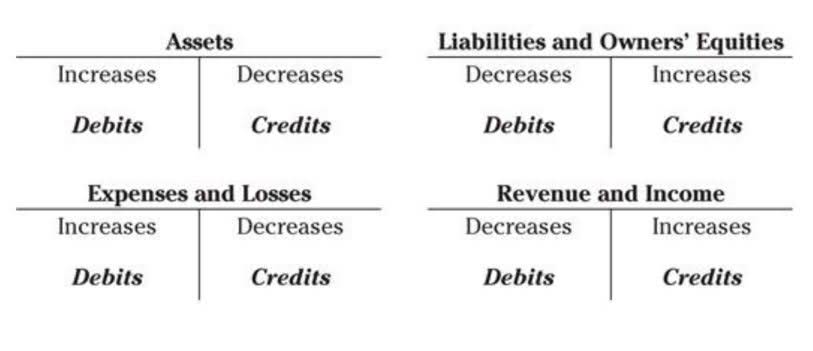
Among these are the rules of debit and credit, which are central to accounting practices. These rules ensure consistency and structure in recording transactions, which is vital for accurate financial records. Retained earnings is an equity account, and like most other equity accounts, it increases with credit entries and decreases with debit entries. A company that routinely gives dividends to shareholders will tend to have lower retained earnings, and vice versa. Changes in the composition of retained earnings reveal important information about a corporation to financial statement users.
- As investors, understanding a company’s retained income can provide valuable insights into its financial performance and potential growth prospects.
- This means that in order to calculate RE for the current accounting period, you’ll need to know your ending balance from the prior period.
- Retained earnings, on the other hand, specifically refer to the portion of a company’s profits that remain within the business instead of being distributed to shareholders as dividends.
- Undistributed earnings are retained for reinvestment back into the business, such as for inventory and fixed asset purchases or paying off liabilities.
- Current liabilities typically include accounts payable, short-term debt, and accrued expenses, whereas long-term liabilities might encompass bonds payable or long-term lease obligations.
What is the difference between retained earnings and revenue?
Paid-in capital is the actual investment by the stockholders; retained earnings is the investment by the stockholders through earnings not yet withdrawn. Assuming your business pays its shareholders dividends (stock or cash), you’ll need to factor those into your calculations. Subtract the amount paid in dividends in the current accounting period from your retained earnings balance from that same period. Retained income, also known as retained earnings, is a critical component of a company’s financial statements, particularly the balance sheet.